Mar 30, 2026
CBSE Issues Strict Directives on Exam Confidentiality and Fee Practices
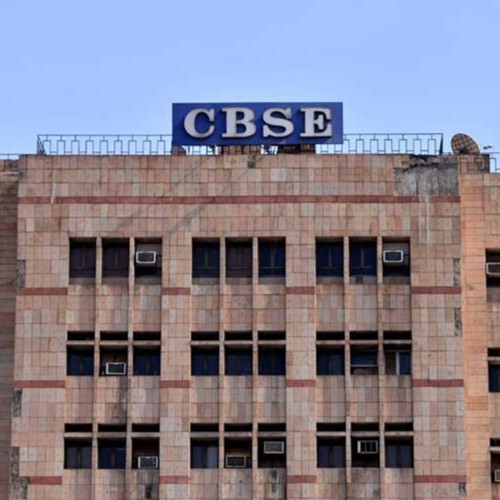
The Central Board of Secondary Education (CBSE) has issued a set of strict directives aimed at strengthening examination integrity and safeguarding student interests. The move comes ahead of ongoing and upcoming board examination processes, where maintaining fairness and transparency remains a top priority.
Strengthening Exam Confidentiality
In its latest circular, CBSE has reinforced strict protocols regarding the handling of question papers. Schools and examination authorities have been clearly instructed to ensure that question papers are not shared, circulated, or mishandled under any circumstances before the completion of examinations.
The board has emphasised that confidentiality must be maintained at every stage—from storage and distribution to post-exam handling. Even sharing question papers with teachers or subject experts for review before the exam concludes has been strictly prohibited.
These measures are designed to prevent leaks, ensure fairness, and maintain the credibility of the examination system.
Warning Against Unauthorised Fee Collection
Alongside exam protocols, CBSE has also issued a strong warning to schools regarding the collection of fees. The board has explicitly stated that no unauthorised charges should be imposed on students, particularly during the submission of the List of Candidates (LOC) for the Class 10 second board examination.
Reports had emerged of certain schools demanding additional payments, including tuition fees, during the LOC process. CBSE has clarified that only the official examination fee prescribed in its guidelines is permitted, and any additional charges are a violation of rules.
Clear Instructions for Schools
To ensure compliance, CBSE has outlined clear expectations for affiliated institutions:
Maintain complete confidentiality of examination materials
Avoid any unauthorised handling or distribution of question papers
Charge only the prescribed examination fees
Immediately discontinue any practices that violate CBSE norms
The board has reiterated that any breach of these guidelines will be treated seriously.
Zero-Tolerance Approach
CBSE has adopted a zero-tolerance stance towards both examination malpractice and financial exploitation. Schools found violating these directives may face strict disciplinary action.
This step reflects the board’s commitment to creating a fair, transparent, and student-friendly academic environment.
What This Means for Students and Parents
For students and parents, these directives bring much-needed clarity and protection. They ensure that:
Exams are conducted fairly without risk of leaks
Students are not burdened with hidden or unjustified fees
Schools remain accountable to standardised regulations
In a system where trust is everything, CBSE’s latest move signals a stronger push toward integrity and accountability in school education.

.png)